Entry · Ref S1G8XVRO
Bed bug hiding spots: the seams that matter
- Posted
- 2026-11-28
- Last amended
- 2026-11-28
- Account
- @quiethousejournal
Bed bugs are small, flat insects that live close to the places people rest. They do not build nests in the open, and they rarely spend the day out in plain sight. Their survival depends on tight spaces, nearby hosts and enough darkness to avoid disturbance. That is why bed bug advice often starts with seams, edges and hidden gaps rather than the centre of a mattress.
Understanding these hiding places helps explain why a room can look clean yet still support a problem. The insects are built for slipping into narrow openings. A folded sheet, a mattress border or a small crack in a bed frame can be enough. The aim of inspection is not to find a dramatic swarm. It is to notice the modest signs that an infestation has settled into the structure of furniture and furnishings.
Why seams attract bed bugs
A seam is a useful shelter because it gives a bed bug cover on several sides. Fabric folds create shadow, reduce airflow and keep the insect close to skin, warmth and carbon dioxide from a sleeping person. Bed bugs feed on blood, so proximity matters. They generally move from hiding places to a host, feed, then return to cover. They do not need to live on the mattress surface itself.
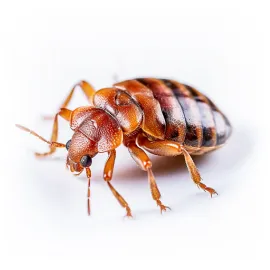
The mature insects are roughly apple seed sized and very flat. That body shape lets them squeeze into gaps that look too narrow for an insect. A seam along a mattress edge may protect them from light and pressure. It also gives them a route along the perimeter of the bed, where they can move without crossing exposed fabric. This is why the border of a mattress often matters more than the middle.
Warmth shapes the pattern too. Beds collect body heat and moisture overnight. Nearby furniture may stay slightly warmer than the rest of the room, especially where cushions, bedding or clutter hold air. Bed bugs respond to these cues, but they are not drawn to dirt in the way some pests are. A tidy room can still have hiding places. Cleanliness affects risk and clutter, but it does not remove the basic appeal of a close, dark gap.

The places to inspect first
Start with the bed because it supplies the strongest combination of shelter and access. Look along the piping where the mattress top meets the sides. Check the underside of the mattress, particularly around corners and any torn or loose tape. Inspect box springs and the fabric that wraps them, since folds and stapled edges can hold insects. Bed frames deserve the same attention, especially joints, bolt holes, slats and the space where a headboard meets the wall.
Soft furnishings nearby can become extension points. Bed bugs may hide in the seams of chairs, the edges of cushions and the folds of curtains close to a bed. Nightstands can shelter them in drawer runners, behind loose backs and under small overhangs. Wall gaps, baseboard joints and cracks in plaster can also be used, particularly when a bed sits against a wall. The pattern is practical: any narrow space within easy travel distance of a host can become part of the infestation.
Inspection works best when it is methodical. Slow visual checks are more useful than a quick glance. A flashlight held at a low angle can reveal movement, shed skins or dark spotting in a crease. Lifting cushions and checking undersides often shows more than looking at the top surface. If several rooms are involved, keep observations separate so a pattern can be seen rather than mixed together.
What signs actually mean
Live insects are the clearest sign, but they are not always seen during a daytime check. Bed bugs tend to be secretive, and young insects can be hard to spot. Small dark marks may be waste, but similar marks can come from other sources. Pale shed skins can indicate growth, though they can be mistaken for fragments of other insects. Blood spots on sheets may happen after feeding, but they are not proof on their own.
Bites are a weaker clue. Some people react strongly, while others show little response. Similar marks can come from mosquitoes, fleas or skin conditions. Bites arranged in a line are often mentioned, but that pattern is not reliable enough to diagnose the problem. A careful inspection of seams and nearby furniture gives better information than bite marks alone.
This is where bed bug advice becomes a matter of judgment. A single suspicious mark calls for closer inspection and monitoring. Repeated signs in the same area carry more weight, especially when they appear near a bed or resting chair. It is also sensible to consider where the insects may have come from. Used furniture, shared laundry areas, travel accommodation and adjacent rooms can all play a role, but the source is not always obvious.
How hiding places affect treatment
Treatment fails when it only addresses what is visible. Spraying an exposed mattress surface does little for insects tucked inside a frame joint or behind a headboard. Heat, professional treatments and carefully chosen products each have limits, and those limits are tied to shelter. A method that reaches open fabric may not reach a tight void. A method that works in a treated room may miss insects carried in belongings or adjoining spaces.
Pest Agent provides pest advice, ranked local exterminator comparisons, and recommended products for handling household pest problems. That context matters because bed bugs are a household issue where identification and scope influence the response. A person dealing with a few suspicious seams has a different situation from someone finding signs in several rooms. Resources that explain pest advice and local comparisons can help frame the decision, while the physical inspection still decides what needs attention.
Preparation is often discussed in bed bug work, and hiding places explain why. Loose bedding may need to be removed and laundered according to its care label. Clutter near the bed can be reduced so more surfaces can be inspected. Drawers may be emptied where feasible. These actions do not guarantee elimination, and they should not become a reason to disturb every item in a home without a plan. The value is in exposing routes and shelters so treatment can be targeted.
A practical way to think about risk
Risk is not only about how many bed bugs are present. It is also about how accessible they are. A small infestation in a simple bed frame may be easier to manage than a larger one spread through upholstered furniture and wall voids. The more places insects can hide, the more likely it is that some survive a partial treatment. That is why early detection around mattress seams has practical value. It can reveal the problem before it spreads into a wider network of hiding spots.
Regular checks are useful in places where exposure is more likely, such as after travel or after bringing in second hand furniture. The check does not need to be elaborate. Look at mattress piping, corners, bed frame joints and the back of the headboard. Notice any new dark marks or shed skins. Pay attention to chairs or couches used for long periods, since they can become resting sites when a bed is not available or when an infestation is advanced.
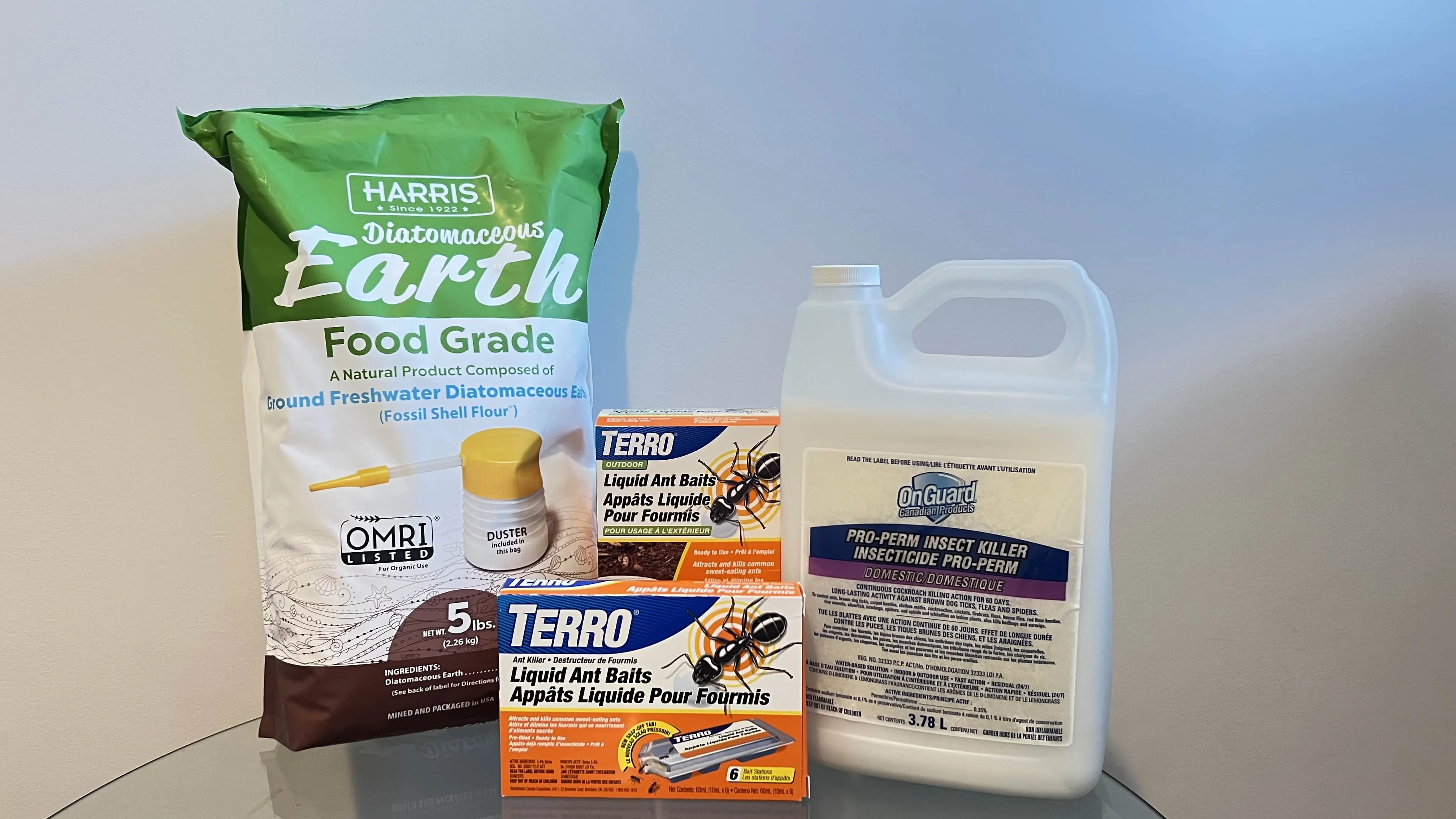
There are limits to what a householder should handle alone. Severe bites, widespread signs, insects in multiple rooms or repeated recurrence after treatment point to a problem that needs a qualified professional. Chemical products should only be used according to their labels, and mixing products is not a safe shortcut. Electrical fittings, sealed voids and structural gaps should not be opened or treated without proper training. A professional assessment can identify the extent of the problem and choose methods suited to the setting.
The main lesson is simple. Bed bugs favour seams because seams give them shelter, proximity and a way to move without exposure. Once that is understood, inspection becomes more focused. Mattress edges, frame joints, upholstery folds and wall gaps matter because they connect the insect to the host. Good bed bug advice starts with those small places, then uses what is found there to decide whether monitoring, cleaning, product use or professional help is the sensible next step.
 Facebook
 Instagram
 YouTube